
O objetivo deste trabalho foi avaliar, em condições nutricionais distintas (ratos nutridos e desnutridos durante o desenvolvimento), os possíveis efeitos do aspartame sobre parâmetros comportamentais sugestivos de ansiedade e eletrofisiológicos (fenômeno da depressão alastrante cortical; DAC). Fatores como deficiência nutricional e o consumo do edulcorante não calórico aspartame são potencialmente danosos para o sistema nervoso. Ratos Wistar, nutridos (n=40) e desnutridos (n=40) no início da vida foram divididos em 4 grupos para cada condição nutricional, tratados por gavagem, durante a lactação, respectivamente com 75 mg/kg/d ou 125 mg/kg/d de aspartame (grupos ASP75 e ASP125), ou volume equivalente de água (grupo água), ou sem tratamento (grupo ingênuo). Testes comportamentais (labirinto em cruz elevado [LCE] e campo aberto [CA]) foram realizados aos 85-95 dias de idade e a DAC foi registrada entre 96 e 115 dias. O aspartame reduziu o peso corporal, em comparação com os grupos controle (água e ingênuo), sugerindo impacto negativo sobre o desenvolvimento corporal dos animais. Esse edulcorante aumentou comportamento sugestivo de ansiedade (menor permanência nos braços abertos do LCE) e desacelerou a DAC (menores velocidades de propagação). Alguns parâmetros foram mais afetados nos animais desnutridos. Conclui-se que o consumo precoce de aspartame afeta negativamente o desenvolvimento do organismo, com efeitos em parâmetros comportamentais e eletrofisiológicos cerebrais. Os resultados sugerem cautela no consumo de aspartame por lactantes e seus filhos nos primeiros anos de vida.
Os resultados deste estudo representam um avanço no conhecimento das repercussões cerebrais do uso neonatal do aspartame. As principais conclusões deste trabalho correspondem ao efeito do ASP sobre o comportamento sugestivo de ansiedade e a DAC, isto é, o ASP pareceu aumentar a ansiedade dos animais e reduziu a propagação da DAC. Os resultados comportamentais são interessantes, porque sugerem que o ASP pode aumentar a ansiedade, bem como pode reduzir a capacidade exploratória dos animais. Além disto, foi possível demonstrar que as alterações eletrofisiológicas, comportamentais aqui descritas persistem até a idade adulta e são dependentes da dose e da condição nutricional do animal. Apesar das limitações para a extrapolação dos dados deste estudo para a saúde humana, considera-se o tema relevante, uma vez que o consumo de edulcorantes a base de ASP em crianças, ainda é observada na prática clínica, principalmente em crianças com diabetes, ou nas crianças lactentes normais cujas mães ingerem aspartame durante a lactação.
Desse modo, sugere-se cautela nas indicações de uso do ASP, bem como se recomenda estudos futuros que considerem os aspectos pertinentes à segurança do tratamento crônico com ASP durante o início da vida. É importante considerar que a compreensão da relação entre o ASP e seus efeitos sobre o cérebro poderá ser útil na otimização de futuras propostas terapêuticas, visto que o ASP está indiretamente envolvida nos mecanismos fisiopatológicas de algumas neuropatias humanas, como a epilepsia (SHAYWITZ et al, 1994), a enxaqueca (ZAEEM; ZHOU; DILLI, 2016) e a doença de Alzheimer (HUMPHRIES; PRETORIUS; NAUDÉ, 2008).
Na tentativa de aprofundar futuramente os conhecimentos referentes aos efeitos do ASP sobre o cérebro, sugerem-se as seguintes perspectivas de estudo:
1. Análise de neurotransmissores e de enzimas relacionadas às vias metabólicas da ASP no cérebro em ratos tratados com ASP;
2. Avaliação comparativa dos efeitos cerebrais do tratamento agudo e crônico com ASP, realizado em animais adultos jovens, em distintos pontos temporais, inclusive na senilidade;
3. Análise imunohistoquímica de possíveis alterações neurogliais associadas ao aspartame;
4. Análise da modulação, pela atividade física, dos efeitos cerebrais causados pelo ASPARTAME.
REFERÊNCIAS:
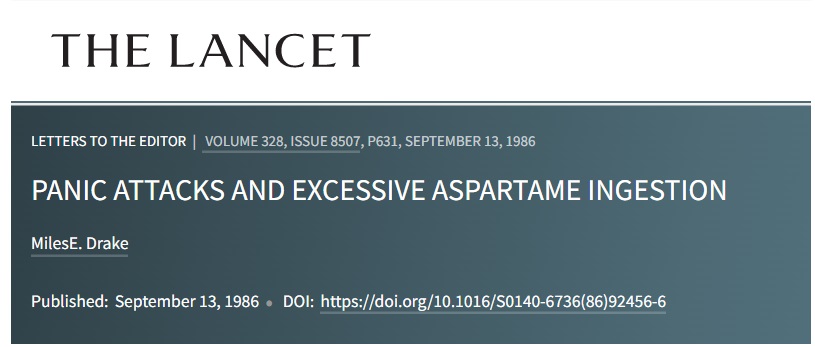
ABRAHAM S. Obstetricians and maternal body weight and eating disorders during pregnancy.J Psychosom Obstet Gynaecol, v.22, p. 159-63, 2001. https:// repositorio.ufpe.br/bitstream/123456789/28422/1/TESE%20Paula%20Catirina%20Germano%20Magalh%C3%A3es.pdf ABU-TAWEELA, G. M., ZYADAH, M. A., AJAREMB, J. S., AHMAD. M. Cognitive and biochemical effects of monosodium glutamate and aspartame, administered individually and in combination in male albino mice. Neurotoxicology and Teratology, 42, 60?67, 2014. ALMEIDA R. M. K; MICZEKERIC W.; FISHJOSEPH F. DE BOLD. Social and neural determinants of aggressive behavior: pharmacotherapeutic targets at serotonin, dopamine and ?-aminobutyric acid systems. Psychopharmacology, v163, p 434?458, 2002. ALSUHAIBANI, E. S. inVivo Cytogenetic Studies on Aspartame. Comparative and Functional Genomics, p 4 , 2010. ASHOK I.; SHEELADEVI R, WANKHAR D. Neurobehavioral changes and activation of neurodegenerative apoptosis on long-term consumption of aspartame in the rat brain. Journal of Nutrition & Intermediary Metabolism, 1 e 10, 2015. ASPARTAME INFORMATION CENTER. Products. Disponível em: http://www.aspartame.org/aspartame_products.html. Acesso em: 9 de agosto de 2010. BANDYOPADHYAY, A.; GHOSHAL, S.; MUKHERJEE, A. Genotoxicity Testing of Low-Calorie Sweeteners: Aspartame, Acesulfame-K, and Saccharin. Drug and Chemical Toxicology, v.31, p.447?457, 2008. BERGSTROM, B. P.; CUMMINGS, D. R.; SKAGGS, T. A. Aspartame decreases evoked extracellular dopamine levels in the rat brain: An in vivo voltammetry study. Neuropharmacology, v.53, p.967-974, 2007. BLIZARD, D.A.; ELDRIDGE, J.C.; JONES, B.C. The Defecation Index as a Measure of Emotionality: Questions Raised by HPA Axis and Prolactin Response to Stress in the Maudsley Model. Behav Genet., v.45, p.368-373, 2015. BLUMENTHAL, H. J.; VANCE, D. A. Chewing gum headaches. Headache, v. 37, p.665?666, 1997. BURE? J.; SHIBATA, M. Optimum topographical conditions for reverberating cortical spreading depression in rats. Developmental Neurobiology, 1974. CAMFIELD, P. R.; CAMFIELD, C. S.; DOOLEY, J. M.; GORDON, K.; JOLLYMORE, S.; WEAVER, D. F.Aspartame exacerbates EEG spike-wave discharge in children with generalized absence epilepsy. Neurology, v.42, p.1000?1003, 1992. CHRISTIAN, B..; MCCONNAUGHEY., K.; BETHEA, E..; BRANTLEY, S.; COFFEY, A.; HAMMOND, L.; HARRELL, S.; METCALF, K.; MUEHLENBEIN, D.; SPRUILL, W.; BRINSON, L.; MCCONNAUGHEY, M. Chronic aspartame affects T-maze performance, brain 68 cholinergic receptors and Naþ,Kþ-ATPase in rats. Pharmacology Biochemistry and Behavior, v.78, p.121?127, 2004. COSTA-CRUZ, R.R.G.; GUEDES, R.C.A. Cortical spreading depression during streptozotocininduced hyperglycaemia in nutritionally normal and early-malnourished rats.Neuroscience Letters,v.303, p.177-180, 2001. COUTINHO, G. J.; GENTIL, C. P.; TORAL, N. A desnutrição e obesidade no Brasil: o enfrentamento com base na agenda única da nutrição. Cad. Saúde Pública, v 24, p.332-340, 2008. DE LUCA, B; CIOFFI, L. A; BURES, J. Cortical and caudate spreading depression as an indicator of neural changes induced by early malnutrition in rats. Activitas Nervosa Superior, v.19, n.3, p.130?131, 1977. DRAKE, M. E. Panic attacks and excessive aspartame ingestion. Lancet, v.2, p.631, 1986. DREIER JENS P., SEBASTIAN MAJOR, ANDREW MANNING, JOHANNES WOITZIK, CHISTOPH DRENCKHAHN, JENS STEINBRINK, CHRISTOS TOLIAS, ANA I. OLIVEIRA-FERREIRA, MARTIN FABRICIUS, JED A. HARTINGS, PETER VAJKOCZY, MARTIN LAURITZEN, ULRICH DIRNAGL, GEORG BOHNER, ANTHONY J. STRONG. Cortical spreading ischaemia is a novel process involved in ischaemic damage in patients with aneurysmal subarachnoid haemorrhage. Brain Journal of Neurology, 2009. ESHEL, Y.; SAROVA-PINHAS, I. Aspartame and seizures. Neurology, v.43, p.2154?2155, 1993. FABRICIUS M, FUHR S, WILLUMSEN L, DREIER J P, BHATIA R, BOUTELLE M G, HARTINGS J A, BULLOCK R, STRONG A J, LAURITZEN M. Association of seizures with cortical spreading depression and periinfarct depolarisations in the acutely injured human brain. Clin Neurophysiol 119:1973?1984, 2008. FABRICIUS, S. FUHR, L. WILLUMSEN, J.P. DREIER, R. BHATIA, M.G. BOUTELLE, J.A. HARTINGS, R. BULLOCK, A.J. STRONG, M. LAURITZEN. Association of seizures with cortical spreading depression and peri-infarct depolarisations in the acutely injured human brain. Clinical Neurophysiol, v. 119, p. 1973?1984, 2008. FDA (FOOD AND DRUG ADMINISTRATION). Food additives permitted for direct addition to food for human consumption; aspartame. Federal Register, v.61, p.33654-56, 1996. FERNSTROM, J. D. Oral aspartame and plasma phenylalanine: pharmacokinetic difference between rodents and man, and relevance to CNS effects of phenylalanine. Journal of Neural Transmission, v.75, p.159-64, 1989. GABY, A. R. Natural Approaches to Epilepsy. Alternative Medicine Review, v. 12, n.1, 2007. GORJI, A. Spreading depression: a review of the clinical relevance. Brain Research Reviews, Netherlands, v.38, n.1, p.33?60, 2001. 69 GUEDE R C A, CAVALHEIRO E A. Blockade of spreading depression in chronic epileptic rats: reversion by diazepam. Epilepsy Research ,v(27), p 33?40, 1997. GUEDES, R. C. A.; AMORIM, L. F.; TEODÓSIO, N. R. Brazilian Journal of Medical and Biological Research, v.29, p.1407-1412, 1996. GUEDES, R. C. A.; MONTEIRO, J. S; CASTRO, R. M.; FILHO, J. E. C. Estimulação psicossocial e plasticidade cerebral em desnutridos. Rev. bras. saúde matern. infant, v1,p15-22, 2002. GUEDES, R. C. A.; ROCHA-DE-MELO, A. P.; TEODOSIO, N. R. Nutrição adequada: a base do funcionamento cerebral. Ciência e Cultura, v.56, n. 1, p. 32-35, 2004. GUEDES, R. C. A.; VASCONCELOS, C. A. C. Sleep-deprivation enhances in adult rats the antagonistic effects of pilocarpine on cortical spreading depression: A dose?response study. Neuroscience Letters, v442, p118?122, 2008. GUEDES, R. C. A; TSURUDOME, K; MATSUMOTO, N. Spreading depression in vivo potentistes electrically-driven responses in frog optic tectum. Brain Research, v.1036, p.109-114, 2005. GUEDES, RCA. Cortical Spreading Depression: A Model for Studying Brain Consequences of Malnutrition. In: Victor R. Preedy, Ronald R Watson and Colin R Martin, Handbook of Behavior, Food and Nutrition, p. 2343-2355, 2011. HALL, C. S. Emotional behavior in the rat. I. Defecation and urination as measures of individual differences in emotionality. Journal of Comparative Psychology, Vol 18, p.385-403, 1934. HEALTH PROTECTION BRANCH. Information letter: aspartame. Health and Welfare Canada, 1987. HUMPHRIES, P.; PRETORIUS, E.; NAUDÉ, H. Direct and indirect cellular effects of aspartame on the brain. European Journal of Clinical Nutrition, v.62, p.451?462, 2008. JACOB, S. E; STECHSCHULTE, S. Formaldehyde, aspartame, and migraines: a possible connection. Dermatitis, v.19, n.3, p. E10-1, 2008. LABUDA, C.J.; HALE, R.L. Anxiety in mice following acute aspartame and ethanol exposure. Alcohol. 2000 Jan;20:69-74. LAU, K.; MCLEAN, W. G.; WILLIAMS, D. P.; HOWARD, C. V. Synergistic Interactions between Commonly Used Food Additives in a Developmental Neurotoxicity Test. Toxicological sciences, v.90, n.1, p.178?187, 2006. LEÃO, A. A. P. Spreading depression of activity in the cerebral cortex. Journal of Neurophysiology,New York, v. 7, n.1, 359?390, 1944. LEHMENKÜHLER, A; GROTEMEYER, K. H; TEGTMEIER, F. Migraine: Basic Mechanisms and Treatment Urban and Schwarzenberg, Munich, v.1112,n.3 ,p.272-282, 1993. LIM, U.; SUBAR, A. F.; MOUW, T.; HARTGE, P.; MORTON, L. M.; STOLZENBERGSOLOMON, R. CAMPBELL, D.; HOLLENBECK, A. R.; SCHATZKIN, A. Consumption of 70 Aspartame-Containing Beverages and Incidence of Hematopoietic and Brain Malignancies. Cancer Epidemiology, Biomarkers & Prevention, v.15, n.9, 2006. LIMA, D. S. C.; FRANCISCO, E. S.; LIMA, C. B.; GUEDES, R. C. A. Neonatal l-glutamine modulates anxiety-like behavior, cortical spreading depression, and microglial immunoreactivity: analysis in developing rats suckled on normal size- and large size litters. Amino Acids, p 1?10, 2016. MAGNUSON, B. A.; BURDOCK, G. A.; DOULL, J.; KROES, R. M.; MARSH, G. M.; PARIZA, M. W.; SPENCER, P. S.; WADDELL, W. J.; WALKER, R.; WILLIAMS, G. M. Aspartame: A Safety Evaluation Based on Current Use Levels, Regulations, and Toxicological and Epidemiological Studies. Critical Reviews in Toxicology, v.37, p.629?727, 2007. MAIA L. M.S.S., FRAZÃOA M. F., SOUZA T K.M., SILVA M. B., ROCHA-DE-MELO A. P., PICANÇO-DINIZB C. W., AMÂNCIO-DOS-SANTOS A., GUEDES R. C.A. L-arginine treatment early in life influences NADPH-diaphorase neurons in visual cortex of normal and early-malnourished adult rats. Brain Research, v1072, p 19?25, 2006. MATTES, R. D.; POPKIN, B. M. Nonnutritive sweetener consumption in humans: effects on appetite and food intake and their putative mechanisms1?3. American Journal Clinical Nutrition, v.89, p.1?14, 2009. MAYEVSKY A, DORONB A, MANORA T, MEILINA S, ZARCHINA N, GEORGE E. OUAKNINEB. Cortical spreading depression recorded from the human brain using a multiparametric monitoring system. Brain Research, v (740), p268?274 , 1996. MORGANE P.J.; AUSTIN-LAFRANCE R.; BRONZINO J.; TONKISS J.; DIAZ-CINTRA S.; KEMPER T.; GALLER A.R. Prenatal malnutrition and development of the brain. Neuroscience and Biobehavioral Reviews: 91-128, 1993. MORTELMANS, L. J.; VAN L. M.; DE CAUWER, H. G.; MERLEVEDE, K. Seizures and hyponatremia after excessive intake of diet coke. European Journal of Emergency Medicine, v.15, n.1, p.51, 2008. POTTS W.J.; BLOSS J.L.; NUTTING E.F. Biological properties of aspartame: I evaluation of central nervous system effects. J Environ Pathol Toxicol,3:341?53, 1980. ROCHA-DE-MELO, A. P. ; CAVALCANTI, J. B.; BARROS, A. S.; GUEDES, R. C. A. Manipulation of rat litter size during suckling influences cortical spreading depression after weaning and at adulthood. Nutrition Neuroscience, v.9, n.4, p.155-160, 2006. 71 ROCHA-DE-MELO, A. P.; GUEDES, R. C. A. Spreading depression is facilitated in adult rats previously submitted to short episodes of malnutrition during the lactation period. Brazilian Journal of Medical and Biological Research, v.30, n.5, p.663-9, 1997. ROCHA-DE-MELO, AP; PICANÇO-DINIZ, CW; BORBA, JMC; SANTOS-MONTEIRO, J; and GUEDES, RCA. NADPH-diaphorase histochemical labeling patterns in the hippocampal neuropile and visual cortical neurons in weaned rats reared during lactation in different litter sizes. Nutritional Neuroscience, v.7, p.207-216, 2004. RODGERS R.J.; JOHNSON N.J. Factor analysis of spatiotemporal and ethological measures in the murine elevated plus-maze test of anxiety. Pharmacol Biochem Behav, 52:297?303, 2005. SANTOS, Â. A.; PINHEIRO, P. C. F.; LIMA, D. S. C.; OZIAS, M. G.; OLIVEIRA, M. B.; GUIMARÃES, N. X.; GUEDES R. C. A. Fluoxetine inhibits cortical spreading depression in weaned and adult rats suckled under favorable and unfavorable lactation conditions. Experimental Neurology, SENIOR R, BARNES J, EMBERSON JR, GOLDING J, ALSPAC STUDY TEAM. Early experiences and their relationship to maternal eating disorder symptoms, both lifetime and during pregnancy. Journal Psychiatry, v.187, p.268-73, 2005. SHAYWITZ, B.A.; ANDERSON, G. M.; NOVOTNY, E. J.; EBERSOLE J. S.;SULLIVAN, C. M. Aspartame has no effect on seizures or epileptiform discharges in epileptic children. Annals of neurology, v35, p 98?103,1994. SIMINTZI, I.; SCHULPIS, K. H.; ANGELOGIANNI, P.; LIAPI, C.; TSAKIRIS, S. he effect of aspartame metabolites on the suckling rat frontal cortex acetylcholinesterase. An in vitro study. Food and Chemical Toxicology, v.45, p.2397?2401, 2007. SMART J.L.; DOBBING J.Vulnerability of developing brain. II. Effects of early nutritional deprivation on reflex ontogeny and development of behaviour in the rat. Brain Research, v 28, p 85?95, 1971. SOFFRITTI, M.; BELPOGGI, F.; TIBALDI, E.; ESPOSTI, D. D.; LAURIOLA, M. Life-Span Exposure to Low Doses of Aspartame Beginning during Prenatal Life Increases Cancer Effects in Rats. Environmental Health Perspectives, v.115, n.9, 2007. SUN-EDELSTEIN, C.; MAUSKOP, A. Foods and supplements in the management of migraine headaches. The Clinical Journal of Pain, v.25, n.5, p.446-52, 2009. TEODÓSIO, N.R.; CABRAL-FILHO, J.E.; GUEDES, R.C.A.; COSTA, J.A.; COSTA, F.B.R.; SILVA, A.T. Learned and emotional behavior in chronically malnourished rats. Acta Phisiologica Latinoamericana v.29, p.255-262, 1979. THOMSON, D.M.H.; TUNALEY, A. A reappraisal of the use of multidimensional scaling to investigate the sensory characteristics of sweeteners. J. Sensory Stud., v. 2, p. 215-230, 1987. 72 TOLLEFSON, L.; BARNARD, R. J. An analysis of FDA passive surveillance reports of seizures associated with consumption of aspartame. Journal of the American Dietetic Association, v.92, p.598? 601, 1992. VASCONCELOS C. A. C.; OLIVEIRA J. A. F.; COSTA L. A. O.; GUEDES, R. C. A.Malnutrition and REM-sleep Deprivation Modulate in Rats the Impairment of Spreading Depression by a Single Sub-convulsing Dose of Pilocarpine. Nutritional Neuroscience, v.7, p.163-170, 2004. VENCES-MEJÍA, A.; LABRA-RUÍZ, N.; HERNÁNDEZ-MARTÍNEZ, N.; DORADOGONZÁLEZ,V.; GÓMEZ-GARDUÑO, V.; PÉREZ-LÓPEZ, I.; NOSTI-PALACIOS, R.; CAMACHO-CARRANZA, R.; ESPINOSA-AGUIRRE, J. J. The effect of aspartame on rat brain xenobiotic-metabolizing enzymes. Human & Experimental Toxicology, v.25, p.453-459, 2006. VITOLO,Marcia Regina(ed.) Nutrição: da gestação ao envelhecimento. Rio de Janeiro:Ed.Rubio,2014. WALTON, R. G. Seizure and mania after high intake of aspartame. Psychosomatics, n.27, p.218?220, 1986. WINICK, M. Nutrition and development. Volume 2, p 245, 1972. WORLD HEALT ORGANIZATION. Use and interpretation of anthropometric indicators of nutritional status. Bulletin of the World Health Organization, 64: 924-941 ,2000. YANG, Q. Gain weight by "going diet?" Artificial sweeteners and the neurobiology of sugar cravings: Neuroscience 2010. The Yale Journal of Biology and Medicine, v.83, n.2, p.10-8 , 2010. ZAEEM, Z.; ZHOU, L.; DILLI, E. Headaches: a Review of the Role of Dietary Factors. Curr Neurol Neurosci Rep, 16, p 101, .2016. 73
Bem, eu tenho um livro publicado (você pode comprá-lo agora mesmo) #VocêNuncaMaisAcharáOAçúcarDoce onde eu provo pra você que não existe adoçante saudável, nem consumo de açúcar que faça bem pra sua saúde!
Que Jesus te abençoe.
Com amor, Taty
É HORA DOS PERIGOS DO VÍCIO EM AÇÚCAR SEREM TRATADOS COMO A MAIOR PANDEMIA DE SAÚDE DA HISTÓRIA DA HUMANIDADE!
COMPRE AQUI O MEU LIVRO DIGITAL: VOCÊ NUNCA MAIS ACHARÁ O AÇÚCAR DOCE